What Is a Low Speed Vehicle (LSV)? A Complete Guide
A low speed vehicle is a federally regulated, street-legal motor vehicle limited to a top speed of 25 mph. That single fact separates it from a golf cart, sets off a chain of titling and insurance requirements, and determines exactly which roads it can legally travel.
The Federal Definition
Under 49 CFR Part 571.500, a low speed vehicle must meet all of the following:
- Four wheels — three-wheelers, motorcycles, and bicycles don't qualify
- Top speed of 20 to 25 mph — a vehicle that can exceed 25 mph is not an LSV under federal law, no matter how it's marketed
- Compliance with Federal Motor Vehicle Safety Standard (FMVSS) 500 — the standard requires headlights, taillights, turn signals, seat belts, a parking brake, reflectors, and a Vehicle Identification Number (VIN)
That VIN is what changes everything. A vehicle that carries a VIN must be titled and registered in the state where it operates, just like a passenger car. The title is what triggers insurance requirements, registration fees, and DMV records.
NHTSA classifies low speed vehicles as a subset of passenger cars for regulatory purposes. Manufacturers must certify compliance with FMVSS 500 before selling an LSV in the U.S. market.
Federal Roads vs. State Roads
Federal law bars LSVs from operating on any road that is part of the federal highway system. On the state side, most states allow LSVs on roads with posted speed limits of 35 mph or lower. A smaller number — including Florida and Arizona — extend that to roads posted at 45 mph in certain situations.
An LSV is not a highway vehicle. Take one onto a 55-mph arterial and you're breaking the law in every state. The vehicle's own top speed cap of 25 mph makes that risk self-evident, but the legal prohibition exists regardless of traffic conditions.
LSV vs. NEV — Same Thing, Different Name
You'll see both "low speed vehicle" and "neighborhood electric vehicle" (NEV) used for the same class of machine. Technically, NEV is a subset: all NEVs are LSVs, but the LSV category technically could include gas or hybrid powertrains. In practice, nearly every LSV on the road today is electric, so the terms are used interchangeably in most conversations, dealer listings, and state statutes.
Some states write their own rules using the NEV label. Others use LSV. A handful use both. Before registering a vehicle, check what your state DMV calls the category — the titling process may reference one term or the other.
LSV vs. Golf Cart — What Actually Differs
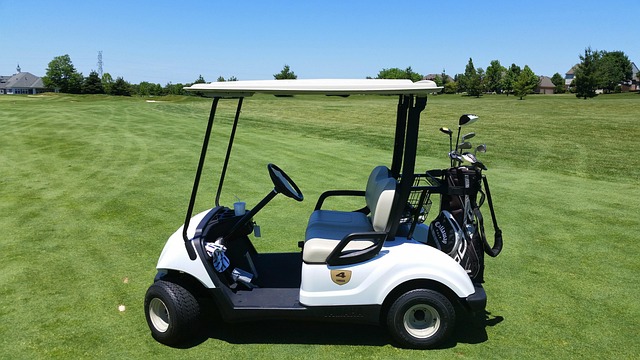
This is where people get tripped up. A golf cart and an LSV can look almost identical parked side by side. The differences are legal and technical, not cosmetic.
Golf cart:
- No federal speed requirement (most top out around 15 mph from the factory)
- No VIN in most cases
- Not titled or registered under motor vehicle law in most states
- Restricted to private property, golf courses, and — in some municipalities — local ordinance zones
- No mandatory seat belts or headlights required by federal law
Low speed vehicle:
- Top speed of 20–25 mph, federally certified
- Carries a VIN
- Must be titled and registered
- Can operate on public roads with speed limits up to 35 mph (or 45 mph in some states)
- Must have seat belts, headlights, taillights, turn signals, reflectors, and a parking brake
A golf cart converted to go faster is still not an LSV unless the manufacturer certified it under FMVSS 500. Aftermarket speed increases don't change the vehicle's legal classification. If you plan to drive on public roads, you need a vehicle that was built and certified as an LSV from the factory.
If you're sorting out coverage for either type, see our pages on low speed vehicle insurance and golf cart insurance — the coverage structures differ because the legal categories differ.
Popular LSV Models
A few manufacturers dominate the space:
Polaris GEM — GEM (Global Electric Motorcars) is the most recognized LSV brand in North America. Models range from two-seat runabouts to six-passenger utility versions. GEM vehicles are used in retirement communities, resorts, college campuses, and urban delivery operations.
Club Car Onward LSV — Club Car is better known for its golf carts, but the Onward LSV is a fully street-legal version with a VIN, factory seat belts, and DOT-compliant lighting. It bridges the aesthetic of a golf cart with full LSV certification.
Arcimoto FUV — a three-wheeled EV that sits at the edge of the category; classified differently by state depending on whether the state uses motorcycle or LSV rules for three-wheelers.
Neighborhood-focused EVs from smaller brands — companies like Bintelli, Epic, and others produce LSV-certified two- and four-seat vehicles aimed at retirement communities and resort towns.
Most LSVs charge from a standard 110V household outlet, with ranges between 25 and 50 miles per charge depending on the model and battery pack.
Where LSVs Are Common
Florida leads the country in LSV registrations by a wide margin. The combination of flat terrain, warm weather, and a large retirement population makes LSVs a practical daily driver in communities like The Villages — one of the largest retirement communities in the world, with roughly 750 miles of LSV-dedicated paths. Florida also allows LSV operation on roads posted up to 35 mph, and some counties have designated additional routes.
Arizona has a similar profile — mild winters, planned retirement communities, and state law that extends operation to 45 mph roads in certain circumstances.
California allows LSVs under a state-specific permit program. Vehicles must be registered and meet state equipment standards that mirror FMVSS 500.
Beyond retirement communities, LSVs are used on college and corporate campuses, in large resort properties, in airport ground operations, and in urban areas where last-mile trips are short and speed isn't the priority.
Insurance Requirements for LSVs
Because an LSV carries a title, most states require at least minimum liability insurance before you can register it. The logic is the same as for a car: if you hit someone on a public road, there needs to be a coverage source.
Minimum liability limits vary by state. Some states set the same floor for LSVs as for passenger cars; others set lower minimums. Either way, an uninsured LSV on a public road puts you personally on the hook for any damage or injury.
Beyond the liability floor, you may want collision and comprehensive coverage — especially on a GEM or Club Car that can cost $10,000 to $20,000 new. A vehicle parked overnight or kept in a coastal area faces real theft and weather exposure.
If you're unsure what your state requires or what coverage makes sense for how you actually use the vehicle, the low speed vehicle insurance page walks through the options.
Golf carts on private property work differently — see our golf cart insurance guide for a breakdown of how those policies are structured.
State-Level Variations Worth Knowing
No two states handle LSVs identically. Common points of variation:
- Maximum road speed limit — 35 mph in most states; up to 45 mph in Florida, Arizona, and a few others
- Age and license requirements — most states require a valid driver's license; a handful allow operation on restricted roads with a learner's permit
- Helmet laws — most states don't require helmets in LSVs because the vehicles have enclosed frames and seat belts, but check your state
- Local ordinances — cities and counties can add restrictions beyond state law, including prohibiting LSVs on certain streets even where state law would allow them
If you're moving to a new state or buying a vehicle that was registered elsewhere, verify the current rules through your state DMV before operating on public roads.
Frequently Asked Questions
Is a low speed vehicle the same as a golf cart?
No. A golf cart is generally built for private use on courses and property, has no VIN, and isn't subject to FMVSS 500. An LSV is federally certified, carries a VIN, must be titled and registered, and is legal on public roads up to 35 mph (or higher in some states). The two categories look similar but are legally and mechanically distinct.
Do I need a driver's license to operate an LSV?
In most states, yes. Because an LSV operates on public roads, a valid driver's license is required. A few states allow operation on specific designated routes with a learner's permit, but that's the exception. Check your state DMV for the current requirement.
Can an LSV go on the highway?
No. Federal law prohibits LSVs on any road that is part of the federal highway system. States also set speed-limit caps — typically 35 mph — for LSV operation. An LSV's own top speed of 25 mph makes highway travel dangerous regardless of the legal prohibition.
Do I need insurance for an LSV?
In most states, yes — at minimum liability coverage. Because an LSV must be titled and registered like a regular vehicle, the same general financial-responsibility requirements apply. The specific minimum limits vary by state. Physical damage coverage — collision and comp — is optional but worth considering given the vehicle's purchase price.
What is the difference between an LSV and a neighborhood electric vehicle (NEV)?
Practically speaking, the terms refer to the same vehicles. NEV is the popular name for electric LSVs, which make up the vast majority of the category. Technically, LSV is the broader federal category that could include gas or hybrid powertrains, while NEV implies electric only. Many state statutes use NEV; federal regulations use LSV. Both refer to 4-wheeled, street-legal vehicles with a top speed between 20 and 25 mph.