Segways and the Insurance Gap
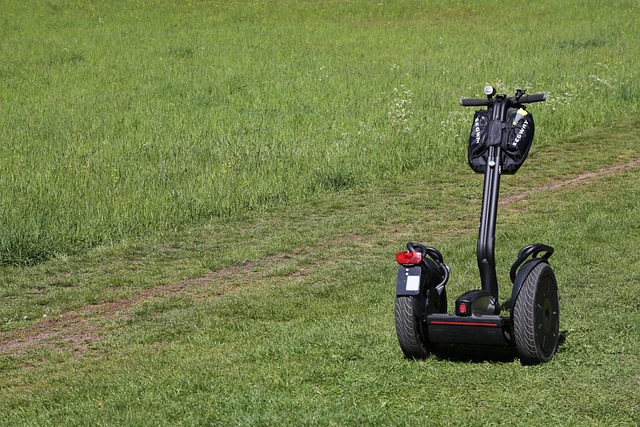
The Segway and its successors — a broad family of personal electric transporters — occupy an unusual space in both transportation and insurance. They are motorized, capable of meaningful speeds, and used in settings ranging from private sidewalks to crowded tourist districts to security patrol routes. And yet, they don't fit neatly into most insurance categories.
Standard auto insurance is designed for titled motor vehicles. Homeowners insurance may cover limited liability for some personal devices, but typically not motorized ones used away from your property. The result is that many Segway owners and operators are either uninsured or underinsured — sometimes without realizing it. Our Segway insurance page may help connect you with coverage options designed for these vehicles.
How Segways Differ from E-Bikes and Scooters for Insurance Purposes
It is tempting to think of Segways, e-bikes, and electric scooters as essentially the same type of product for insurance purposes. They are all electric, self-propelled, and often used in similar environments. But how they are classified and what coverage may be available can differ in meaningful ways.
E-bikes are typically classified by pedal assist level (Class 1, 2, or 3) and may be treated more like bicycles in some jurisdictions, with coverage sometimes available through homeowners policies or specialty e-bike insurance products designed specifically for them.
Electric scooters — both stand-up kick scooters with motors and seated moped-style scooters — have their own regulatory treatment, with some states requiring registration and insurance. Dedicated scooter insurance may be available depending on the type and how it is used.
Segways and personal transporters, by contrast, are self-balancing devices with a distinct design, often used in commercial or semi-commercial contexts. They may not fall under the same regulatory categories as e-bikes or scooters, which means finding appropriate coverage may require seeking out specialty options rather than expecting standard policies to apply.
Personal vs. Commercial Use
One of the most important distinctions for Segway insurance is how the device is used. Personal use — riding a Segway around your neighborhood or campus — presents a different risk profile than commercial use, such as operating a Segway tour business or using one for security or campus patrol.
For personal use, coverage needs may be relatively modest: liability protection in case you injure someone or damage property, and possibly physical damage coverage for the device itself. For commercial use, the coverage picture becomes more complex and the potential liability exposure is typically much greater.
Commercial Tour Operations: What Coverage May Be Needed
Segway tours have become a popular attraction in cities around the world. A commercial tour operation — where participants ride Segways along city streets, parks, or pedestrian areas — involves significant liability exposure. Participants vary in experience and physical condition, terrain can be unpredictable, and the public nature of the routes means bystanders could also be affected.
Commercial tour operators may need a combination of general liability coverage (for the business itself), commercial vehicle or equipment coverage (for the Segways), and potentially participant liability or waiver-based risk management. Standard personal policies are almost certainly not sufficient for this type of operation, and operators should seek coverage specifically designed for commercial recreational activities.
Coverage Options That May Be Available
For both personal and commercial Segway use, coverage options may include:
- Liability coverage may help pay for bodily injury or property damage caused to others while operating the device
- Physical damage coverage may help cover the cost of repairing or replacing the Segway if it is damaged, stolen, or vandalized
- Medical payments coverage may be available to help with medical costs if the operator is injured
- Commercial general liability may be available for businesses that use Segways as part of their operations
- Fleet coverage may be an option for businesses operating multiple units
State and Local Regulations
Segways occupy a murky regulatory space in many jurisdictions. Some states classify them as motor vehicles and require registration and insurance; others treat them more like electric mobility devices with fewer restrictions. Local ordinances further complicate the picture — some cities permit Segways on sidewalks, others restrict them to bike lanes, and some ban them from certain areas entirely.
Before using a Segway in a new location, understanding the local rules is important. And because the regulatory environment affects what coverage may be required or available, disclosing where and how you plan to use the device when seeking coverage is advisable.
Fleet Coverage for Tours and Businesses
Businesses that operate multiple Segways — whether for tours, security, hospitality, or campus transportation — may benefit from fleet-level coverage rather than insuring each unit individually. Fleet policies may offer efficiencies in both administration and cost, and they can be structured to address the specific context of how the units are used.
For tour companies in particular, fleet coverage combined with appropriate general liability coverage may be the more practical approach. Connecting with carriers or brokers who are familiar with commercial recreational equipment may help identify options that fit the scale and nature of the operation.
Security and Patrol Applications
Segways are used by security personnel, campus police, and event staff in a wide variety of settings. In this context, the Segway is a piece of work equipment, and the person operating it is doing so in a professional capacity. Coverage needs in this context may fall under commercial or business insurance rather than personal coverage — particularly if the Segway is owned by the organization rather than the individual.
Organizations that deploy Segways for security or patrol may want to ensure their general liability, commercial auto, or inland marine policies address the specific ways these devices are used, including incidents that might occur while an officer or guard is actively on patrol.
How Much Does Segway Insurance Cost?
The cost of Segway insurance can vary considerably depending on whether coverage is for personal or commercial use, the number of units being insured, the location and nature of use, and the liability limits selected. Personal coverage for a single device used recreationally may be relatively modest in cost. Commercial coverage for a tour operation in a high-traffic urban area with a fleet of machines would likely be substantially more complex and expensive.
Because Segways and personal transporters are a specialty category, getting accurate cost information requires connecting with carriers or agents who are familiar with the product. Generic quotes that don't account for how the device is actually used may not reflect realistic options.
Steps to Getting Coverage
- Identify how you use your Segway. Personal, commercial, patrol, tour — being clear on the use case will shape what coverage options may be relevant.
- Check local regulations. Understanding whether your jurisdiction treats Segways as motor vehicles may affect what is legally required.
- Be specific about the device. Model, speed capability, value, and where it is stored are all relevant details.
- Ask about liability limits specifically. For any use that involves other people — passengers, pedestrians, bystanders — liability coverage is typically the most important element to get right.
- If operating commercially, seek out commercial coverage. Personal policies almost certainly will not be adequate for a business context.
Our Segway insurance page may help connect you with carriers who have experience with personal transporter coverage and can provide options suited to your specific situation.