Why Standard Auto Insurance May Not Be Enough
A standard personal auto insurance policy is designed for everyday passenger vehicles. RVs and motorhomes are a different category entirely — they can serve as both transportation and living quarters, carry significant personal property, and involve unique risks that most auto policies are not built to address. If you are relying on your regular auto policy to cover your RV, there may be meaningful gaps in what is actually protected.
Dedicated RV and motorhome insurance may be structured to account for these differences, with coverage options that recognize how RVs are actually used — including full-time living arrangements, extended road trips, and seasonal storage.
Towable vs. Motorized: A Key Insurance Distinction
One of the most important things to understand about RV insurance is that not all RVs are covered the same way, and the distinction between motorized and towable units matters significantly.
Motorized RVs — Class A, B, and C motorhomes — are self-propelled vehicles and typically require their own dedicated auto-style insurance policy with liability, collision, and comprehensive components.
Towable RVs are pulled by a separate tow vehicle and generally cannot be driven on their own. This category includes:
- Travel trailers — the most common towable type, ranging from small pop-up designs to full-size units
- Fifth-wheel trailers — larger units that connect via a specialized hitch in the bed of a pickup truck
- Toy haulers — trailers with a rear garage section designed to transport ATVs, motorcycles, or other recreational equipment
For towable units, some liability coverage may extend from the towing vehicle's auto policy while the trailer is being towed — but physical damage coverage for the trailer itself typically requires a separate policy. The specifics depend on your auto policy's terms and your carrier, so verifying directly is important.
RV Classes and How They May Affect Coverage
Motorized RVs are typically classified into three categories, and the class can influence what coverage options are presented and what factors are considered:
- Class A motorhomes are the largest and most expensive, often resembling commercial buses. They may carry the highest replacement values and typically benefit from agreed value or total loss replacement provisions.
- Class B motorhomes (camper vans) are built on van chassis and are the most compact. Their coverage profile may be similar in some ways to personal vehicles, though dedicated RV coverage may still offer benefits a standard auto policy would not.
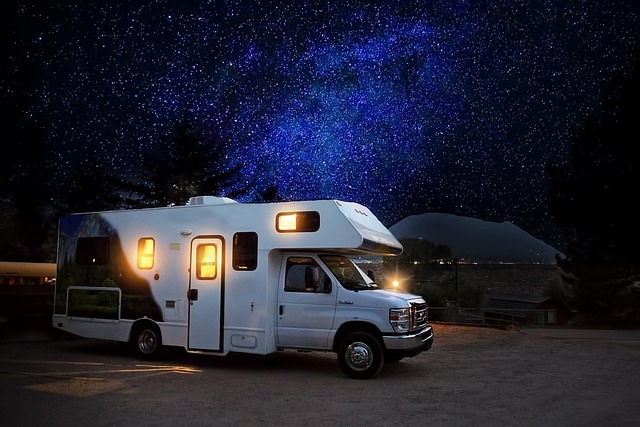
- Class C motorhomes are mid-size units built on a truck or van chassis, recognizable by the cab-over sleeping area. They fall between Class A and B in terms of size and cost.
Coverage Options That May Be Available
RV insurance policies may include a range of coverage types beyond what a standard auto policy offers:
- Liability coverage may help pay for bodily injury or property damage you cause to others
- Collision and comprehensive coverage may help cover damage to the RV from accidents, theft, fire, weather, and similar events
- Personal belongings coverage may help cover clothing, electronics, camping gear, and other personal property inside the RV
- Vacation liability may provide liability protection when the RV is parked and being used as a temporary residence
- Emergency expense coverage may help with lodging or transportation costs if the RV becomes uninhabitable during a covered event
- Roadside assistance may be available to help with tows, tire changes, fuel delivery, and similar needs
Full-Time vs. Recreational Use
How you use your RV may significantly affect what coverage is appropriate. Full-time RV living — where the vehicle is your primary residence for much of the year — involves different risks than occasional weekend camping trips. Full-timers may need coverage that addresses liability exposure in a parked/residential context, personal property protection comparable to a homeowner's policy, and medical coverage if injured in or around the vehicle.
Recreational users who take the RV out a few times per year may have different needs, and some carriers may offer policies that reflect lower annual mileage and usage patterns.
Luxury Coaches and High-Value RVs
At the upper end of the RV spectrum are luxury motor coaches — high-end units that may cost several hundred thousand dollars or more. Standard RV policies may not be designed to handle total loss or partial damage situations for vehicles of this value. Carriers that specialize in luxury motor coach insurance may offer agreed value provisions, higher coverage limits, and concierge-level claims handling that is better matched to the investment involved.
If you own a high-value coach or are considering a purchase in this category, seeking out coverage designed for it specifically may be worthwhile rather than relying on a standard RV policy.
Storage Periods
Many RV owners store their vehicles for months at a time during the off-season. During storage, your risk profile changes — collision risk drops significantly, but risks from theft, weather damage, fire, and vandalism remain. Some owners choose to reduce certain coverages during storage periods, but it is important to maintain comprehensive coverage (which covers non-collision events) to help address these ongoing risks. Policies that allow seasonal adjustments may be available from some carriers.
Depreciation and Agreed Value
How an RV's value is calculated at the time of a loss can have a major impact on what you receive. Two common approaches:
- Actual cash value (ACV) takes depreciation into account. If your RV has depreciated significantly since purchase, an ACV payout after a total loss may be considerably less than what you paid or what it would cost to replace.
- Agreed value means you and the carrier agree on the vehicle's value at policy inception, and that amount is paid in the event of a total loss (minus any deductible). This can be especially valuable for motorhomes and coaches that hold their value well or that have been upgraded.
Understanding which approach a policy uses before you commit is an important part of making an informed decision.
How Much Does RV Insurance Cost?
RV insurance costs vary considerably based on the type of RV, how it is used, where it travels, and what coverage levels are selected. Class A motorhomes tend to cost more to insure than Class C units or travel trailers, given their higher value and greater potential liability exposure. Full-time use may also result in different pricing than occasional recreational use. Rather than providing specific numbers — which can shift significantly based on individual factors — the best approach is to connect with carriers that offer RV-specific policies and request quotes based on your actual situation.
Common Coverage Gaps to Watch For
- Assuming your tow vehicle's policy covers your trailer. Even if some liability transfers while towing, physical damage to the trailer typically is not covered without a separate policy.
- Undervaluing personal property inside the RV. Many RV owners keep thousands of dollars in gear, electronics, and supplies inside. Basic policies may have low limits on personal property that may not cover the full value of what you carry.
- Skipping vacation liability. When your RV is parked at a campsite and someone is injured nearby, your exposure may not be covered under a basic policy.
- Not updating coverage after upgrades. Solar panels, entertainment systems, generator upgrades, and similar additions increase the RV's value. Failing to update your coverage could leave those additions unprotected.
What to Ask Your Representative
- Does this policy cover full-time use, or is there a limit on how many days per year the RV can be occupied?
- Is personal property inside the RV covered, and if so, what is the limit?
- Does the policy include vacation liability when parked?
- How is value calculated — actual cash value or agreed value?
- Is there coverage for the contents of a toy hauler's garage section?
- What happens to coverage when the trailer is disconnected from the tow vehicle?