What Is Personal Watercraft?
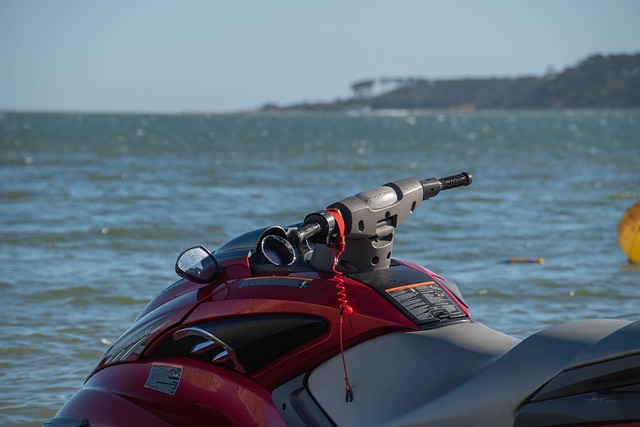
Personal watercraft (PWC) — a category that includes popular brands marketed under names like Jet Ski, WaveRunner, and Sea-Doo — are small, motorized watercraft designed to be operated by one to three riders sitting, standing, or kneeling on the vessel rather than inside an enclosed hull. They are among the most popular recreational watercraft in the country, valued for their speed, maneuverability, and relatively low cost of entry compared to traditional boats.
Because they operate differently from conventional boats and carry distinct risk profiles, the question of how to insure them deserves careful attention. Connecting with carriers through our boat and watercraft insurance page may help you explore options designed for these types of vessels.
Does Your Homeowner's Policy Cover It?
This is one of the most common questions PWC owners ask — and the answer is almost always some version of "probably not, or only in very limited circumstances." Most homeowners insurance policies exclude or severely restrict coverage for motorized watercraft, particularly those above a certain horsepower threshold. Personal watercraft, with engines typically ranging from 60 to over 300 horsepower, almost universally fall outside the scope of typical homeowners coverage.
Even if a homeowners policy offered some incidental protection for a very small, low-powered boat, it would likely not extend to a PWC operated on a lake, river, bay, or ocean. More critically, homeowners policies do not typically provide liability coverage for watercraft-related accidents — which is where much of the financial exposure lies.
Why Standard Boat Insurance May Not Cover PWCs
While personal watercraft share some characteristics with small boats, they are often treated as a separate risk category by insurers. The reasons are practical: PWCs are faster and more maneuverable than most boats their size, they are ridden rather than piloted from inside a hull, and they are statistically involved in a higher rate of collisions, capsizing incidents, and operator injuries relative to traditional watercraft of similar length.
A standard boat insurance policy designed for a fishing boat or pontoon may not adequately cover the specific risks associated with PWC use. Seeking out coverage designed with personal watercraft in mind may provide better-suited protection — and our boat and watercraft insurance page is a place to start exploring what may be available.
Coverage Options That May Be Available
PWC-specific insurance policies may offer several types of coverage worth understanding:
- Liability coverage may help pay for injuries or property damage you cause to others while operating your PWC. Given how fast these machines can travel and how crowded some waterways become, this may be the most important coverage to carry.
- Collision coverage may help cover damage to your PWC after a collision with another vessel, a dock, or a submerged object.
- Comprehensive coverage may cover theft, fire, vandalism, or weather-related damage when the watercraft is not in use.
- Medical payments coverage may help with medical expenses for you or a passenger injured during an accident, regardless of fault.
- Uninsured watercraft coverage may be available in some policies and could help if you are injured by an operator who carries no insurance.
State Requirements and Local Regulations
Unlike motor vehicles, there is no universal federal requirement for recreational watercraft liability insurance. However, individual states may have their own rules, and local regulations can add additional layers. Some states require PWC operators to complete a boating safety course, and some waterways have their own operating rules enforced by local authorities or harbor masters.
Even in states that do not legally require insurance, the liability exposure from a serious accident on the water can be substantial. Medical bills, vessel damage, and legal costs from an incident involving injury to another person could potentially reach well into six figures — making liability coverage something many PWC owners consider essential regardless of legal requirements.
Waterway Rules and Liability Exposure
PWCs are subject to U.S. Coast Guard regulations as Class A motorboats, which means standard rules of navigation apply — including speed limits in certain zones, distance requirements near swimmers and docks, and operating hour restrictions in some jurisdictions. Violating these rules could affect not only legal liability but also how a claim is evaluated.
Popular waterways, especially during summer weekends, can become crowded with other boats, kayakers, paddleboarders, and swimmers. The potential for accidents in these environments underscores the value of carrying meaningful liability limits. Minimum coverage, if technically required at all, may not be sufficient to address a serious incident.
Seasonal Coverage
Many PWC owners in northern climates store their watercraft for five or six months out of the year. During that time, collision risk drops significantly — but theft, vandalism, fire, and weather-related damage remain real possibilities. Comprehensive coverage during storage periods may be worth maintaining even if other coverage is reduced or adjusted.
Some carriers may offer the ability to modify coverage during the off-season. As with any policy change, confirming the details with your carrier before making adjustments is advisable.
Trailer Coverage for PWCs
Most personal watercraft are transported to and from the water on a trailer, which creates its own coverage question. The trailer itself may or may not be covered under a PWC policy — this varies by carrier and policy. Some auto insurance policies may extend certain coverage to a towed trailer, but physical damage to the trailer itself may not be included.
Before assuming your trailer is covered under either your auto or watercraft policy, it is worth asking both carriers directly. If it is not covered, adding a trailer endorsement or seeking a policy that explicitly includes the trailer may be worthwhile.
Riding Responsibly
Insurance does not replace safe operating habits, and PWC insurers may consider your operating history when offering coverage. Completing a recognized boating safety course, following all local regulations, and understanding the capabilities and limitations of your specific machine are all factors that contribute to safer riding — and may be relevant to how coverage is evaluated.
What to Look for in a Policy
When exploring PWC coverage options, consider the following:
- Does the policy cover the watercraft, the trailer, and any accessories as separate line items, or are they bundled?
- What are the liability limits, and are they sufficient given how and where you ride?
- Is there a provision for uninsured watercraft coverage?
- How is the watercraft's value determined in the event of a total loss?
- Are there any exclusions related to racing, commercial use, or riding outside of stated geographic areas?
Our boat and watercraft insurance page may help connect you with carriers that offer coverage options suited to personal watercraft. Starting the conversation with a clear picture of how you use your PWC — including where you ride, how often, and how you transport it — can help ensure the options you see are relevant to your situation.