Not All RV Insurance Is the Same
Recreational vehicle ownership covers an enormous range of vehicles — from compact pop-up trailers and teardrop campers to massive Class A diesel pushers and luxury coaches worth several hundred thousand dollars. The insurance market reflects that diversity, with policies that vary significantly in structure, coverage options, exclusions, and cost. Treating RV insurance as a single product category, or assuming that the cheapest option is adequate, can lead to meaningful coverage gaps at the worst possible time.
The tips below are designed to help you think through the key variables that may affect what coverage is right for your situation. They apply across vehicle types — but some sections below address specific categories including towable trailers, toy haulers, horse trailers, and luxury coaches, since these may have unique considerations worth understanding.
Understanding Actual Cash Value vs. Agreed Value Policies
This distinction may be the single most important coverage concept for RV owners to understand, and it is worth spending a moment on it before anything else.
Actual cash value (ACV) means that in the event of a total loss, the insurer will pay what the RV was worth at the time of the loss — after depreciation. RVs, particularly motorized ones, can depreciate significantly in the first few years of ownership. A Class A motorhome purchased for $180,000 may have depreciated to $120,000 or less after five years. If that vehicle is totaled in an accident, an ACV policy would pay the depreciated value, not what you paid or what it would cost to buy a comparable replacement.
Agreed value (sometimes called stated value or guaranteed replacement cost) means you and the carrier agree at policy inception on what the vehicle is worth, and that amount is paid in a covered total loss — minus any deductible. This eliminates the depreciation problem and is especially valuable for new vehicles or those that have held their value.
Asking specifically about how each policy calculates loss value before you commit is one of the most consequential questions you can ask.
Towable vs. Motorized RVs
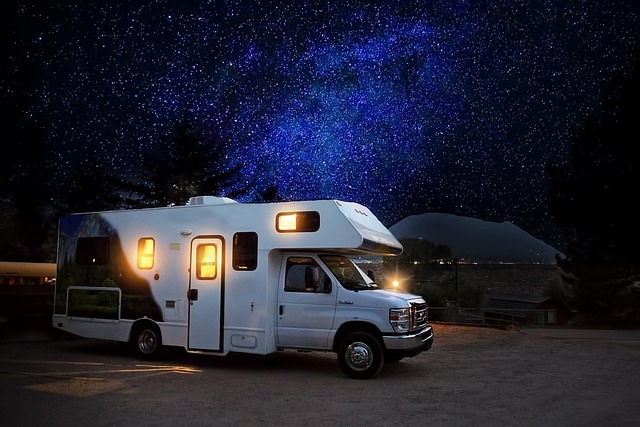
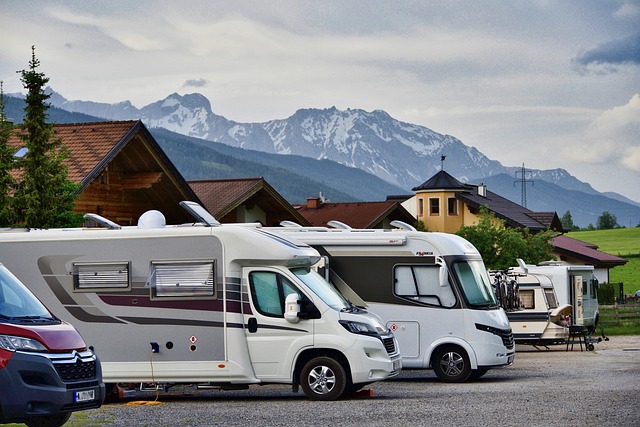
Whether your RV is motorized or towable affects not just the type of insurance you may need, but also how your existing auto policy may interact with it. Motorized RVs — Class A, B, and C motorhomes — require their own dedicated policy because they are titled vehicles with their own liability exposure when driven on public roads.
Towable RVs are different. While some liability coverage may technically extend from the tow vehicle's auto policy during transport, physical damage to the trailer itself is typically not covered without a separate policy. This means owning a travel trailer, fifth-wheel, or toy hauler without dedicated coverage could leave the trailer's full value at risk. Visit our RV and motorhome insurance page to explore options for both motorized and towable categories.
Tip 1: Know the True Value of Your Vehicle
This starts with knowing what your RV is actually worth today — not what you paid, and not what you hope it is worth. For older units, this may mean looking at current market listings for comparable models. For newer or custom units, it may mean getting an appraisal. That number should inform the coverage amount you seek, since underinsuring could leave you short in a total loss scenario.
Tip 2: Describe Your Usage Accurately
How you use your RV is a material factor in what coverage may be appropriate and available. Full-time RV living — using the vehicle as a primary residence for most of the year — typically involves different coverage needs than a family that takes two or three camping trips annually. Be accurate about how many days per year the RV is occupied and whether it functions as your primary residence, since policies designed for recreational use may not be adequate for full-timers.
Tip 3: Ask About Contents Coverage
Many RV owners carry thousands of dollars worth of gear inside their units — camping equipment, electronics, clothing, kitchenware, tools, and more. Basic RV policies may include very low limits for personal belongings, or may exclude them entirely. Ask specifically what limit applies to contents and whether it can be increased if needed.
Tip 4: Understand How Your Tow Vehicle Policy Interacts
If you pull a towable unit, the relationship between your auto policy and your trailer coverage is worth understanding clearly — not assuming. Some auto policies extend liability while towing; others are more restrictive. Physical damage to the trailer almost never transfers from your auto policy. Getting written confirmation from both carriers about what each policy covers and where the gaps are can prevent confusion later.
Tip 5: Review Storage Coverage Carefully
When an RV is in storage for several months, collision risk drops — but other risks remain. Theft, vandalism, fire, flood, and wind damage can all occur to a stored vehicle. Comprehensive coverage during storage periods may help address these risks. Some carriers offer seasonal policies or the ability to adjust coverage during off-months; ask whether this is an option and exactly what coverage remains active during storage.
Tip 6: Don't Overlook Specialty Trailer Categories
Many RV owners pull a standard travel trailer or fifth-wheel, but specialty trailers deserve extra attention because their coverage needs may differ from a standard camper.
Horse Trailers: Animal Transport Coverage
Horse trailers present a unique coverage challenge because they transport live animals — a category of cargo that raises questions standard RV policies are not designed to answer. While a dedicated horse trailer insurance policy may cover the trailer itself, the horses inside it are a separate matter. Equine mortality and health insurance covers the animals, while livestock mortality coverage addresses transport-related death. Making sure both the trailer and the animals are covered — under appropriate, separate policies — is important for horse owners who transport regularly.
Toy Haulers: Cargo and Recreational Equipment
Toy haulers are trailers with an integrated garage section, designed to carry ATVs, motorcycles, dirt bikes, or other recreational equipment. The trailer itself may be covered under a dedicated toy hauler insurance policy, but the equipment inside is a separate question. Some policies may include limited coverage for garage-section cargo; others exclude it entirely. If you regularly transport equipment worth thousands of dollars, understanding exactly what protection applies to that cargo is worth asking about directly.
Pop-Up Trailers: Often Underinsured
Pop-up or folding camper trailers are among the most affordable ways to get into towable RV camping, and their lower price point sometimes leads owners to skip or minimize coverage. But even a pop-up can represent a meaningful investment, and damage from wind, hail, or a collision during towing can be expensive to repair. A basic policy through a carrier familiar with RV and trailer coverage may be affordable and worth carrying.
Tip 7: Consider Roadside Assistance Coverage
Roadside assistance for RVs is meaningfully different from standard auto roadside assistance. An RV tow requires specialized equipment, and the cost of towing a large Class A or a loaded fifth-wheel can be substantial. RV-specific roadside assistance programs may include coverage for larger vehicles, mobile service visits, and situations unique to RV travel — like tire changes on units that standard service vehicles can't easily accommodate. Our RV and motorhome insurance page may connect you with carriers that include or offer this as an add-on.
Tip 8: Check What Happens When Your Trailer Is Disconnected
This is a coverage question that surprises many towable RV owners. When your trailer is hitched to your tow vehicle, the tow vehicle's liability coverage may apply in some scenarios. But when the trailer is unhitched and parked at a campsite — which is most of the time you are actually using it — that connection may no longer apply. Vacation liability coverage, offered by some dedicated RV policies, may provide liability protection when the trailer is stationary and being used as temporary living quarters. Asking specifically about unhitched coverage is an important question before assuming a policy covers you in camp.
How to Compare Quotes
When comparing RV insurance options, a few practices may help you make a more useful comparison:
- Compare the same coverage types and limits. A lower premium that includes less coverage is not necessarily a better deal. Line up coverage types side by side before evaluating price.
- Ask about exclusions specifically. What is not covered can be as important as what is. Ask each carrier what the most common exclusions are for your vehicle type and use case.
- Check the claims process. Understanding how a claim would actually be handled — who you call, how quickly it is typically resolved, and whether the carrier has experience with RV-specific claims — may matter as much as the price.
- Review deductibles carefully. A lower premium with a very high deductible may not serve you well if you end up filing a claim. Make sure the deductible is a number you could actually manage out of pocket.