Off-Road Riding and Insurance: What's the Connection?
Off-road riding — whether on an ATV, dirt bike, or side-by-side — tends to involve terrain and conditions that standard vehicle insurance is not designed to address. Rocky trails, muddy fields, wooded paths, and sand dunes present a different risk environment than paved roads. The connection between off-road riding and insurance is fundamentally about financial protection: for your vehicle, for medical costs if you are injured, and for liability if you cause injury or damage to someone else.
Most standard auto insurance policies do not cover off-road vehicles, and homeowners policies generally have limited or no coverage for motorized recreational vehicles operated away from your property. Dedicated coverage through carriers that offer ATV insurance may help fill that gap.
ATV vs. UTV vs. Dirt Bike: Different Vehicles, Different Needs
These three categories are often grouped together in casual conversation, but they are meaningfully different vehicles that may be evaluated differently for insurance purposes:
- ATVs (all-terrain vehicles) are typically straddle-ridden, four-wheeled machines with handlebars. They range from small youth models to powerful sport ATVs with large engines.
- UTVs (utility task vehicles), also called side-by-sides, are larger machines with side-by-side seating and a steering wheel. They often have a cargo bed and are used for both recreation and work. Their size, passenger capacity, and growing popularity on trails have made them a distinct insurance category.
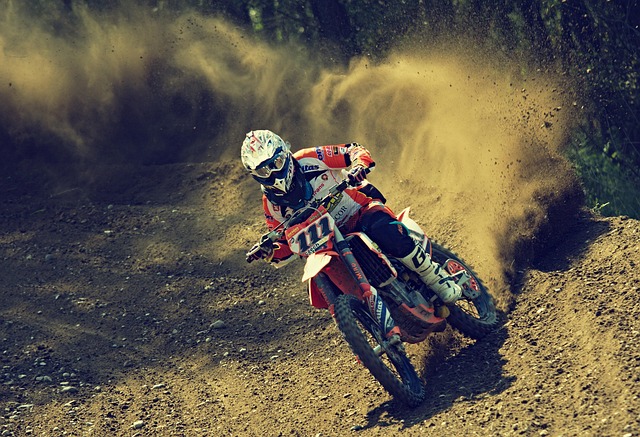
- Dirt bikes are two-wheeled motorcycles designed specifically for off-road use. They are not street-legal in most configurations and typically require separate coverage from on-road motorcycles. Some adventure or dual-sport bikes may blur this line, but purpose-built dirt bikes are usually handled differently.
Trail and Park Access Requirements
One practical reason to consider ATV or off-road vehicle insurance is that many public off-highway vehicle (OHV) parks and trail systems require proof of liability insurance for access. This is especially common on state-managed OHV areas in states like California, Colorado, Utah, and others with well-developed trail systems.
Even where not legally required, some organized trail events, clubs, and guided tours may ask participants to show proof of insurance. Having coverage in place before you head to the trailhead may help avoid being turned away or creating personal liability exposure on managed lands. Our ATV insurance page is a starting point for exploring what may be available for your specific machine.
Side-by-Side UTVs: Growing Popularity, Unique Coverage Needs
Side-by-side UTVs have seen tremendous growth in popularity over the past decade, and they now represent a significant portion of the off-road vehicle market. Vehicles in this category can range from basic utility machines to high-performance sport UTVs with turbocharged engines, long-travel suspension, and price tags that rival some automobiles.
The higher value and passenger capacity of UTVs may make insurance especially worth considering. A sport UTV that costs $25,000 or more represents a significant financial investment, and damage from a rollover, collision with a tree, or theft could result in a substantial loss without coverage in place. Our UTV and side-by-side insurance page may help connect you with coverage options suited to these machines.
Coverage Options That May Be Available
Off-road vehicle insurance policies may offer coverage structures that are somewhat similar to auto insurance, but tailored for the off-road context:
- Liability coverage may help pay for bodily injury or property damage you cause to others — on trails, at off-road parks, or on your property
- Collision coverage may help cover damage to your ATV or dirt bike after a crash
- Comprehensive coverage may cover theft, fire, and other non-collision damage
- Medical payments coverage may help with your own medical costs after an accident
- Uninsured motorist coverage may be available if you are injured by another off-road vehicle operator who carries no insurance
- Accessories and equipment coverage may help cover aftermarket parts, winches, light bars, and other add-ons
Where You Ride May Matter
The location and context of your riding may influence both the coverage that is appropriate and what is available:
- Riding exclusively on your own private property presents a different liability exposure than riding on public trails or shared OHV areas
- Some policies may limit coverage to designated off-road areas or private property, while others may offer broader geographic coverage
- Riding in organized events or competitions may require specific coverage or could affect standard policy terms
Being accurate about where and how you ride when seeking coverage may help ensure the options presented to you actually reflect your situation.
Off-Road Racing and Competitive Use
Organized off-road racing — from desert races to motocross events — is a distinct use category that standard recreational policies may not cover. Racing and competition use typically involves higher speeds, tighter competition with other vehicles, and a considerably elevated risk of accident. If you compete regularly, it is worth asking specifically about whether competitive use is covered or excluded under any policy you consider.
Some specialty carriers may offer event-specific or competition-focused coverage, while others may exclude racing entirely. Understanding this distinction before an event — rather than discovering it at claim time — is important.
Youth Riders and Safety
ATVs and dirt bikes are popular with younger riders, but they also carry meaningful safety risks, particularly for inexperienced or underage operators. When a young rider is involved in an accident, medical costs can be substantial, and if others are injured, liability exposure may fall on the parents or vehicle owner.
Youth ATV models are generally smaller and lower-powered, but accidents still happen, especially on unfamiliar terrain. Completing an ATV safety course — offered through programs like the ATV Safety Institute — may be viewed positively and is also simply good practice. When seeking insurance for a machine that will be operated by a minor, disclosing that information and asking about how it affects coverage is advisable.
Agricultural and Work Use
ATVs and UTVs are widely used in farming, ranching, and other agricultural contexts — checking fences, moving equipment, managing livestock, and navigating large properties. This type of use may be covered under some recreational ATV policies, but it can also raise questions about commercial or business use exclusions. If your ATV is used regularly in a work context, asking specifically whether that use is covered under a recreational policy is a worthwhile conversation to have.
How Much Does ATV Insurance Cost?
ATV and dirt bike insurance costs vary based on several factors, including:
- The engine size and value of the vehicle
- The age and riding experience of the primary operator
- How and where the vehicle is used
- Whether youth riders will also operate the machine
- The coverage types and limits selected
A small youth ATV used on private property may present a very different pricing scenario than a high-performance sport UTV used on public OHV trails by multiple riders. Getting quotes that reflect your specific vehicle and usage pattern will give you the most useful picture of what options may look like.
Common Off-Road Coverage Mistakes
- Assuming your homeowners policy covers it. Most homeowners policies exclude motorized vehicles operated away from your property, and sometimes even on it.
- Underestimating the value of accessories. Aftermarket parts, upgraded suspension components, and custom accessories can add thousands of dollars of value that a basic policy may not account for.
- Not disclosing youth riders. If a minor regularly operates the vehicle, that information is relevant to coverage and should be disclosed.
- Skipping liability coverage because you ride on private land. Even on your own property, guests can be injured and liability exposure can arise.