Why Standard Auto Insurance May Not Be Enough
An RV is more than just a vehicle — it's also a living space. Standard auto insurance is generally designed for cars and trucks, not for the unique combination of vehicle and dwelling that an RV represents. Dedicated RV insurance may offer coverage elements specifically suited to how motorhomes are used, including protection for the living quarters, personal belongings inside, and even full-time residency situations.
RV Classes and How They May Affect Coverage
RVs come in several configurations, and the type you own may influence what coverage options are available:
- Class A — Large, bus-style motorhomes. These are typically the most expensive to insure due to their size and value.
- Class B — Camper vans. Smaller and more fuel-efficient, these may have different coverage considerations.
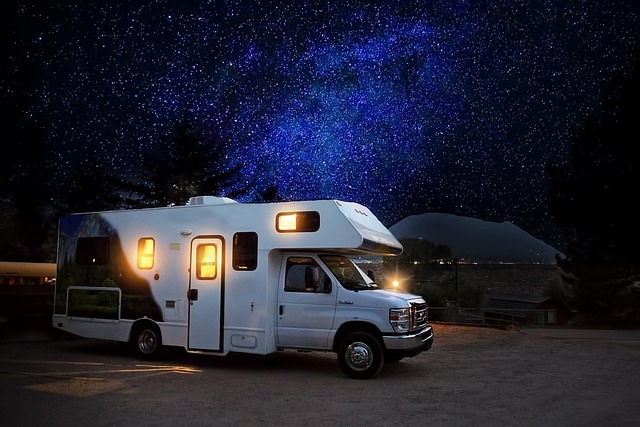
- Class C — Mid-size motorhomes built on a truck or van chassis. A common choice for families.
- Super C — Heavy-duty Class C units built on a commercial truck chassis, often capable of towing.
Coverage Options That May Be Available
- Liability coverage — May help cover costs if you're responsible for an accident that injures others or damages their property.
- Collision and comprehensive — May help pay for physical damage to your RV from accidents, weather, theft, or other covered events.
- Personal belongings coverage — May protect items inside your RV such as electronics, clothing, and camping equipment.
- Emergency expense coverage — If your RV becomes uninhabitable due to a covered loss while you're traveling, this may help cover lodging and travel expenses.
- Vacation liability — When parked and used as temporary living quarters, this may provide liability protection similar to a homeowner's policy.
- Full-timer coverage — If you live in your RV full-time, standard policies may not fully cover your situation. Specialized full-timer coverage may better address your needs.
- Towing and roadside assistance — RVs can be difficult and expensive to tow. This coverage may help if you break down.
Full-Time vs. Recreational Use
How you use your RV matters significantly for insurance purposes. If your RV is your primary residence, you may need full-timer's coverage that combines elements of both auto and homeowner's insurance. If you use it seasonally or for vacations, recreational coverage may be more appropriate. Be transparent about your usage when requesting a quote.
Storage Periods
Many RV owners store their vehicle for several months each year. Some carriers may offer reduced coverage options during storage periods that maintain protection against theft or weather damage while reducing costs when the vehicle isn't being driven. Ask about this option if seasonal storage applies to you.
Depreciation and Agreed Value
Unlike cars, RVs can depreciate quickly. Some policies are written on an "actual cash value" basis, meaning depreciation is factored into any claim payout. Others may offer "agreed value" or "replacement cost" options. Understanding these distinctions before you buy a policy may help you avoid surprises if you ever need to file a claim.