Not All RV Insurance Is the Same
The term "recreational vehicle" covers an enormous range of products — from small pop-up campers and pop-up trailers to massive fifth-wheel coaches with full kitchens and entertainment systems. Coverage designed for one type of RV may not be appropriate for another. Understanding the basic distinctions may help you ask better questions when requesting a quote.
Towable vs. Motorized RVs
One of the most important distinctions in recreational vehicle insurance is between towable units and self-propelled motorhomes:
- Towable units (travel trailers, fifth-wheels, toy haulers, horse trailers, pop-up trailers) don't have their own engine — they're pulled by a separate tow vehicle. Coverage for these may be structured differently than motorhome coverage, and in some cases, liability coverage may come from the tow vehicle's auto policy.
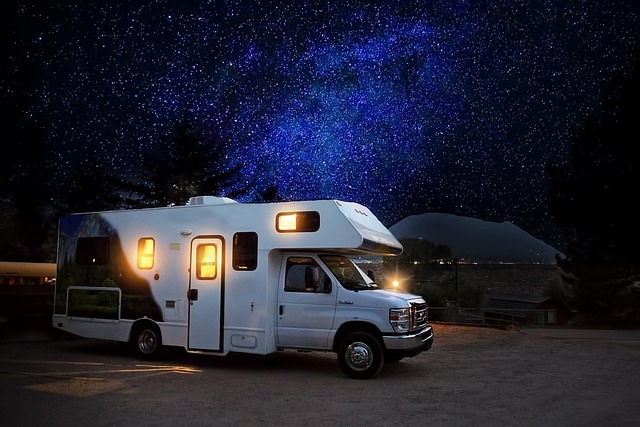
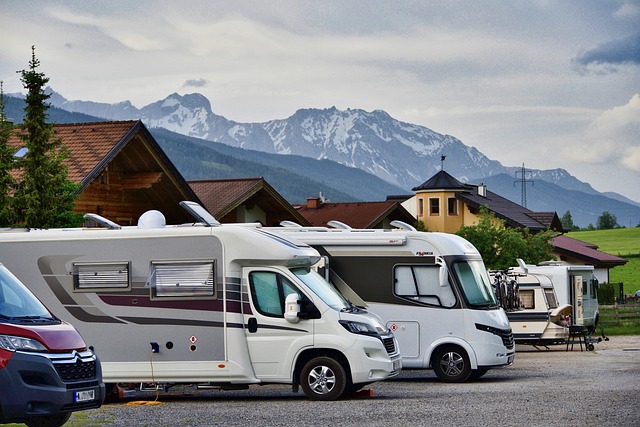
- Motorhomes (Class A, B, C, and Super C) are self-propelled and typically require their own insurance policy similar to an auto policy but with additional elements for the living space.
Tip 1: Know the Value of What You're Insuring
RVs vary dramatically in value — from under $10,000 for a basic pop-up trailer to $500,000 or more for a luxury coach. Understanding the actual market value and replacement cost of your RV may help you choose appropriate coverage limits. Ask about whether a policy is based on actual cash value (which factors in depreciation) or replacement cost.
Tip 2: Describe Your Usage Accurately
How often you use your RV and for what purpose matters. Occasional weekend campers, seasonal users, and full-time RV residents have different coverage needs. Some carriers offer "full-timer" policies specifically designed for people who live in their RV year-round. Using a recreational policy when you actually live in your RV could create gaps in coverage.
Tip 3: Ask About Contents Coverage
Many RVs are stocked with clothing, electronics, kitchen equipment, bikes, and other personal property. Standard RV policies may or may not include coverage for personal belongings stored inside. If the contents of your RV represent significant value, it's worth asking how they may be covered.
Tip 4: Consider Your Tow Vehicle's Policy
If you own a travel trailer, your tow vehicle's auto insurance may provide some liability coverage while the trailer is attached. However, it typically won't cover physical damage to the trailer itself. A separate trailer insurance policy may address that gap.
Tip 5: Ask About Storage and Off-Season Options
If your RV sits in storage for several months a year, ask whether reduced coverage options are available during that period. You may be able to maintain protection against theft or weather damage while reducing other coverage elements during months when you're not traveling.
Tip 6: Don't Forget Specialty Trailers
Horse trailers, toy haulers, and other specialty trailers may have unique coverage considerations. A toy hauler, for instance, is designed to transport ATVs, motorcycles, or other recreational equipment — the value of the cargo you're hauling may warrant additional coverage beyond the trailer itself. Horse trailers may need coverage that addresses the welfare of the animals being transported.
Starting the Process
The best starting point is a conversation with someone who understands recreational vehicle coverage. Requesting a no-obligation quote for your specific type of RV or trailer is a simple way to begin exploring your options.